
Field Notes · Small-Town Chamber & Community Leadership
Field Notes from a Small Chamber.
I didn’t set out to become a civic leader. I just wanted a glass of wine.
After two, I found myself in charge of a scrappy, all-volunteer Chamber of Commerce in California’s Sierra Nevada foothills.
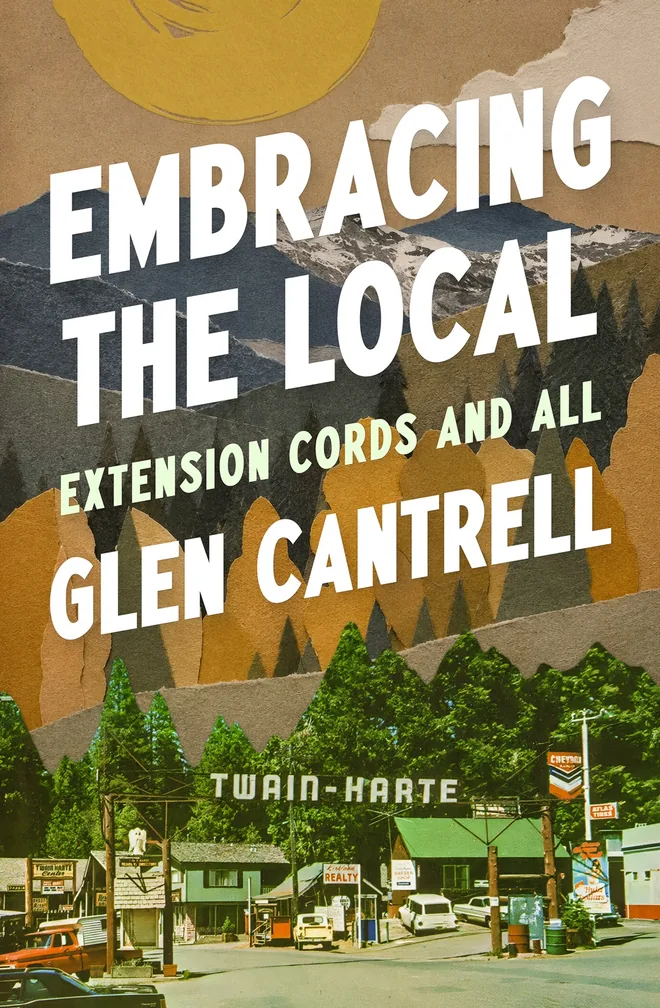
Embracing the Local is the story of what happened next.
Field notes from a small Chamber
It turned out running a little Chamber raised some surprisingly big questions.
We grew. We expanded beyond the boundaries people assumed were ours. We tried to help businesses before they had to ask. We built events, rebuilt trust, screwed things up, fixed some of them, and discovered that success creates problems of its own.
Along the way, I started noticing things. Not lessons, exactly. More like questions I couldn’t stop thinking about.
New field note · September 22, 2026
The Drawer Marked That One Time
A Field Note on episodic volunteering, volunteer capacity, and what changes when organizations redesign the shape of the ask.
Earlier essays · September 2026
Rip Off and Duplicate
In Search of the Manual
I wanted a manual for running a small, all-volunteer Chamber. Apparently it was scattered across the country in the heads of people doing the work.
Earlier field note · September 2026
The Training Is Four Years. My Term Is Two.
A professional-development program made me ask a different question about volunteer leadership: not just how much capacity an organization has, but how long that capacity stays. What happens to the learning when the leader has an expiration date?
01 / Growth
When growth actually works
We’d just doubled the trust we owed, and trust is kept, not counted.
I wanted the win to stay clean for a little while. When I announced the number to the leadership team, I’ll admit I was fishing for a parade. A short one. Twelve minutes, tops.
Our former president let the number sit for a second, then asked a version of the question I’d been suppressing: “Who’s going to keep up with them?”
It took me longer than it should’ve to understand she wasn’t killing the mood. She knew fifty new members weren’t fifty trophies. They were fifty new relationships, fifty new expectations, fifty quiet promises we had just made and would now have to keep.
Then Monday morning arrived, and the math started mathing.
The Chamber wasn’t straining because we’d failed. It was straining because something was finally working. Which is just a more flattering way to break.
02 / People
When people become infrastructure
At some point, a volunteer organization has to love its people enough to stop spending them like petty cash.
The smallest chambers are often the ones with the least money, the least staff, and the greatest dependence on volunteers.
When people rotate out, capacity doesn’t shrink. It resets. That’s not succession. It’s institutional amnesia dressed up as normal turnover.
It means building an organization sturdy enough that care doesn’t have to arrive in the shape of exhaustion.
Volunteer burnout doesn’t arrive wearing a villain cape. It arrives dressed as one perfectly sensible favor after another.
03 / Trust
When fair isn’t enough
Trust needs to exist before the emergency.
I understood our responsibility couldn’t be limited to rallying the community after someone was brave enough to say they were struggling. Our job was to earn the kind of trust where a business might tell us sooner.
Not because we could fix everything. We couldn’t. We still can’t.
The part that kept me up: I’d seen it coming. I’d looked at a polarizing race, a newcomer with a microphone, and a town with no institutional shock absorbers, and I’d known, the way I know which corner of a process will buckle under stress. So I’d built the fairness in early, deliberately, obsessively, before anyone thought to object.
I’d built a fair process. A fair process and a trusted one are not the same.
And the entire gap between them was shaped exactly like me.
04 / Place
When loving a place isn’t enough
Places don’t ask to be admired. They ask to be carried.
When we adopted those words, I thought I understood them. I didn’t.
At first, they sounded like Chamber language. Support local businesses. Attend events. Choose the restaurant up the road, the shop around the corner, the artist at the market, the person behind the counter hoping the weekend will be enough.
That was all true. It was not enough.
To embrace the local isn’t only to admire a place. It is to see it clearly: the beauty and the strain, the charm and the fragility, the full lake and the empty restaurant, the parade and the insurance bill, the volunteer smiling in public and picking up the trash after the parade-goers have gone home.
It means refusing the comfortable fiction that local life sustains itself because people love it. Love matters, but real people sustain the work of a place.
An organization can name the work. It can organize it, promote it, document the passwords, label the bins, and absorb the worry for a while. But it can’t carry a place by itself. No all-volunteer institution can. Nothing can carry a place except the place: businesses showing up for one another, residents choosing local before the emergency, visitors remembering that the charm is maintained by real people.
If the work of keeping a place alive belongs only to whoever’s holding the clipboard, the place hasn’t embraced the local. It has outsourced it.
Embrace the Local.
It means something more.
“Shop local” is useful advice. But sustaining a place is bigger than a transaction. It is showing up, building relationships, participating, volunteering, paying attention, and understanding that the businesses, organizations, traditions and people around us are not scenery.
They’re part of how a place keeps being a place.
I didn’t understand all of that when we put Embrace the Local. on the Chamber logo. I understand more of it now.
About the dogs
Yes, there are a lot of dogs here.
That isn’t entirely accidental.
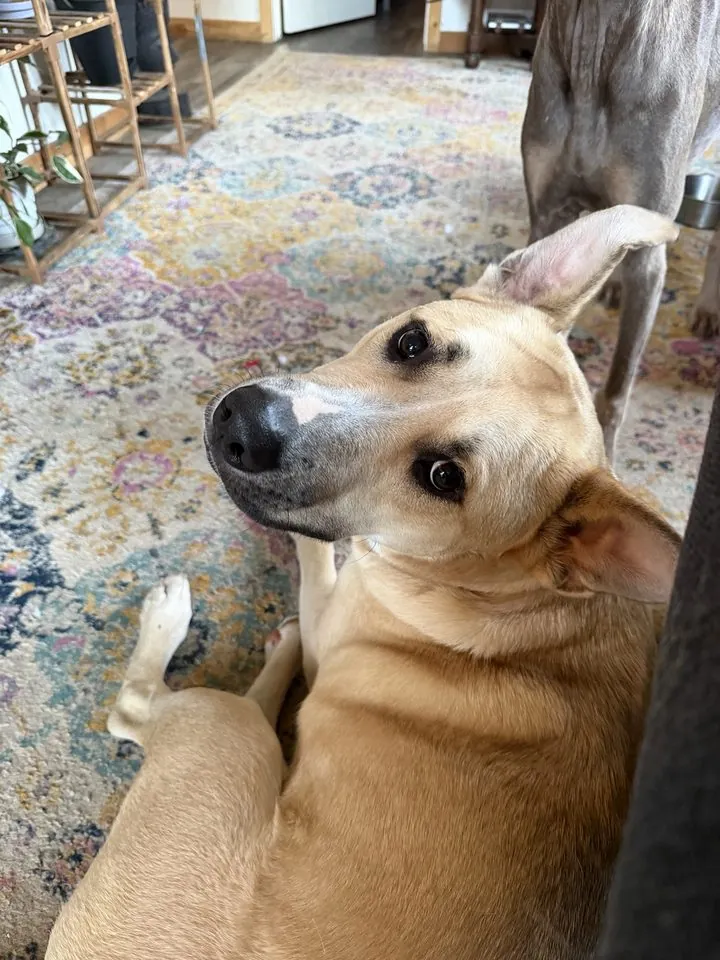
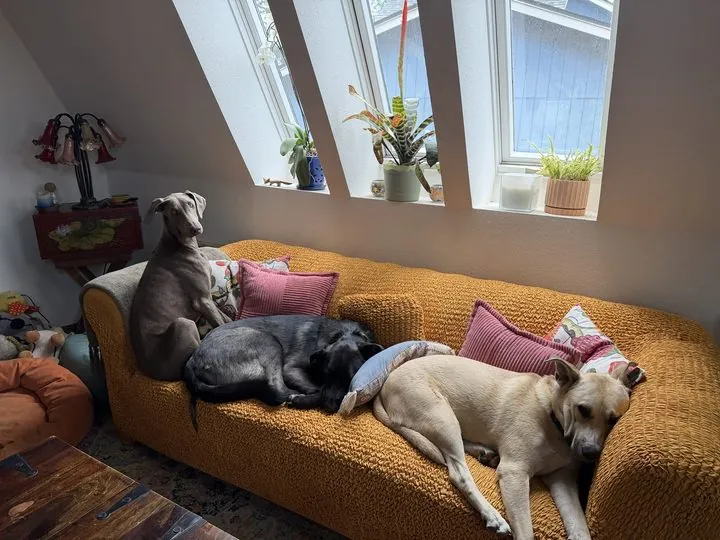
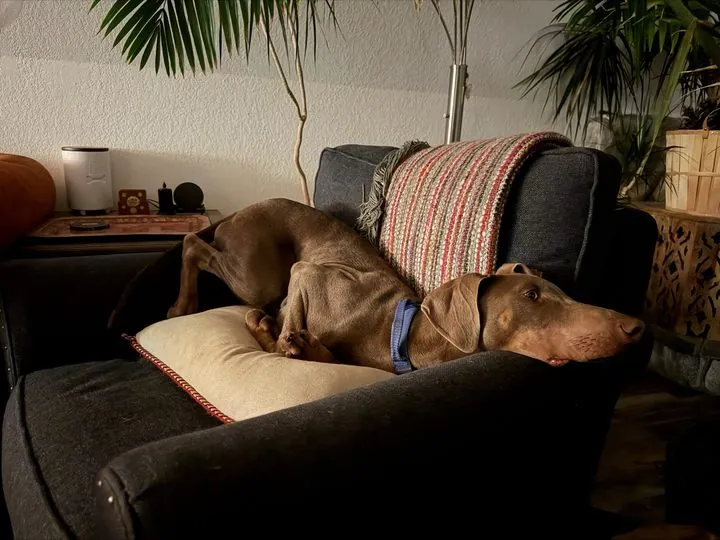
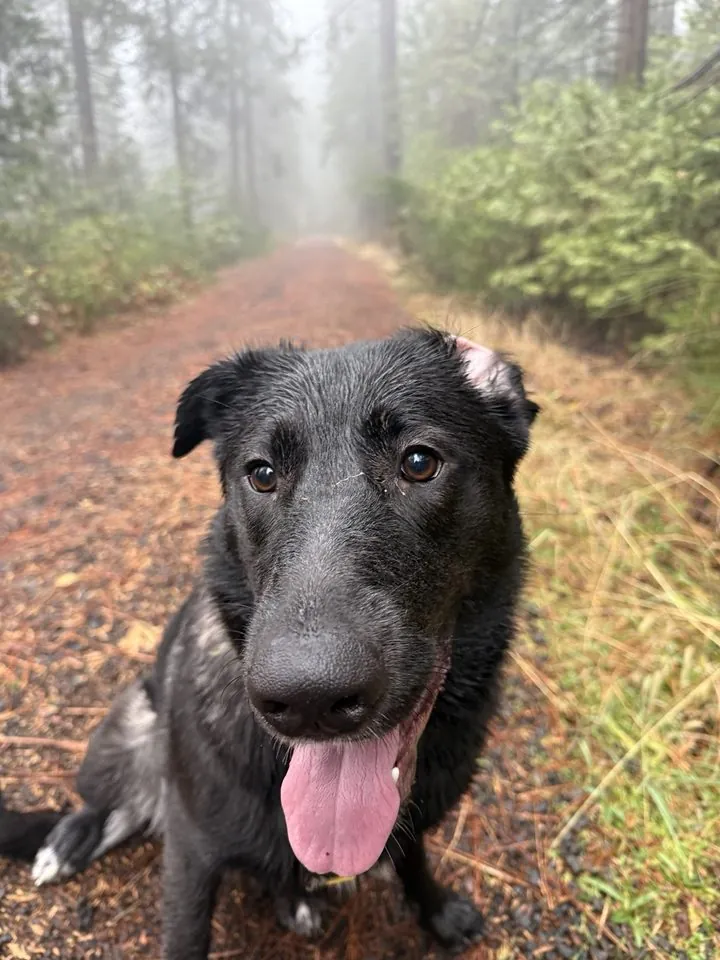
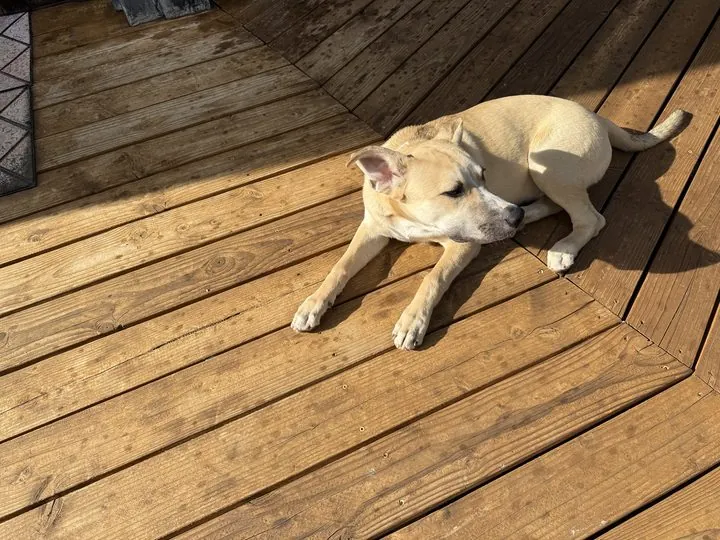
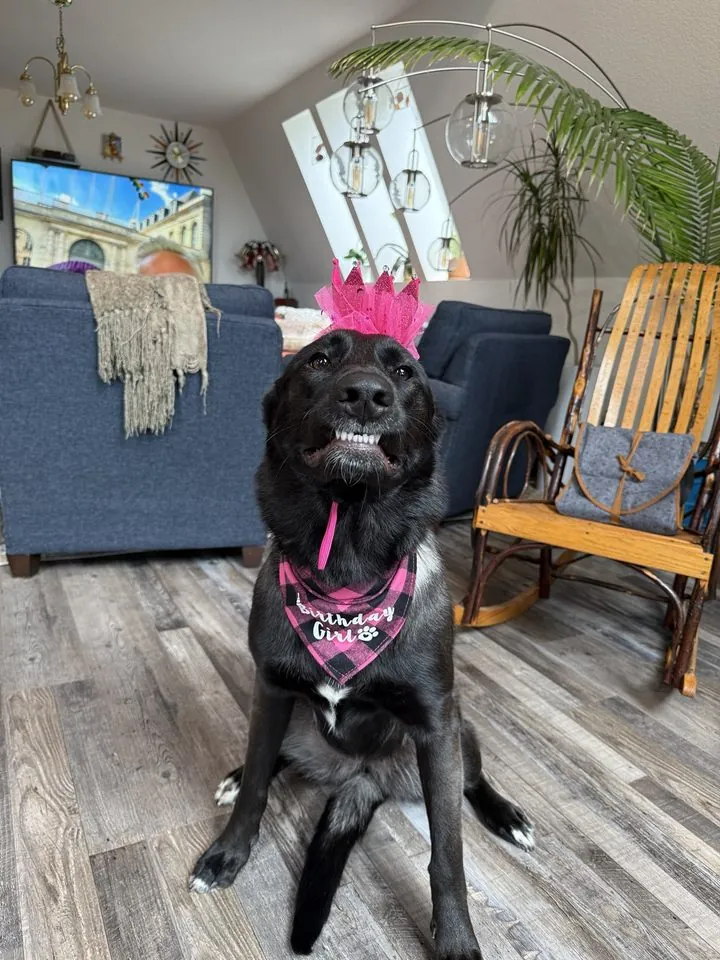
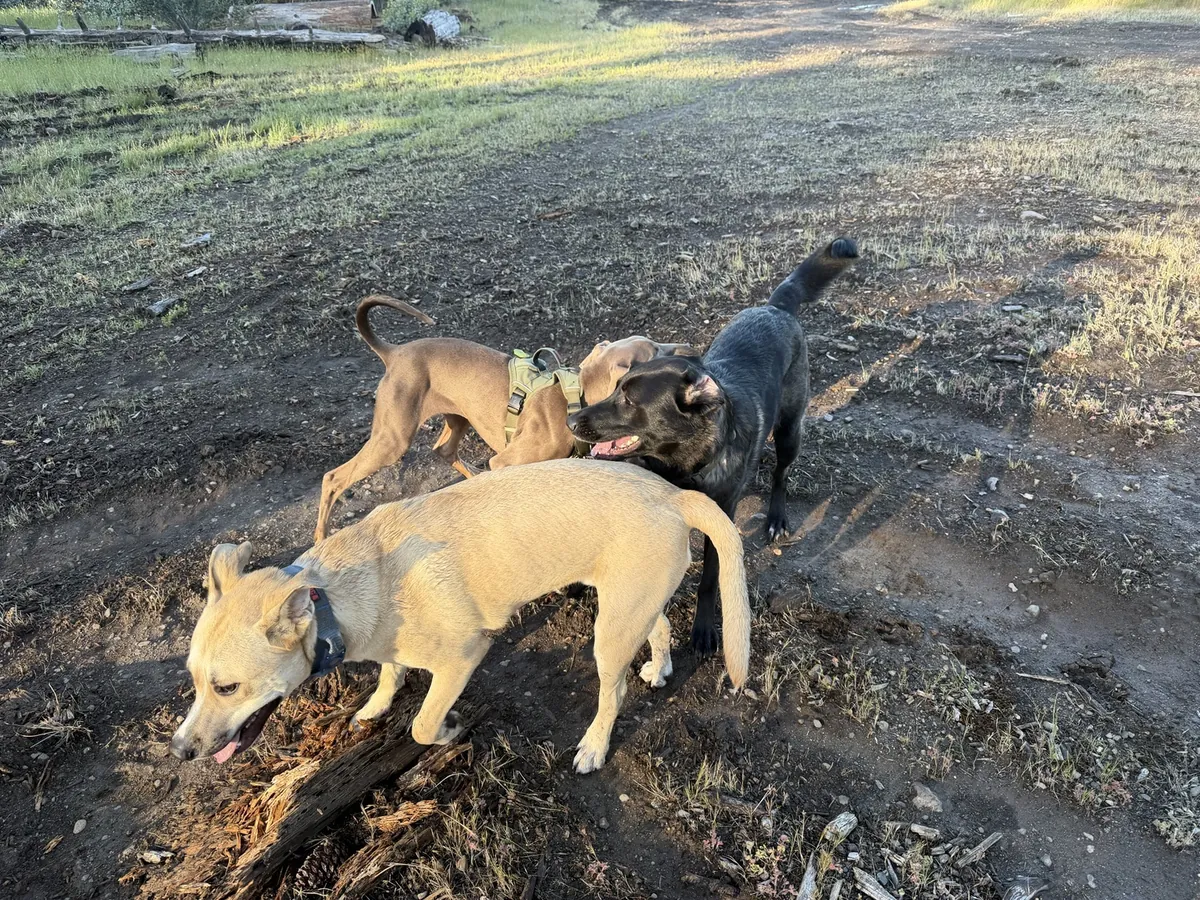
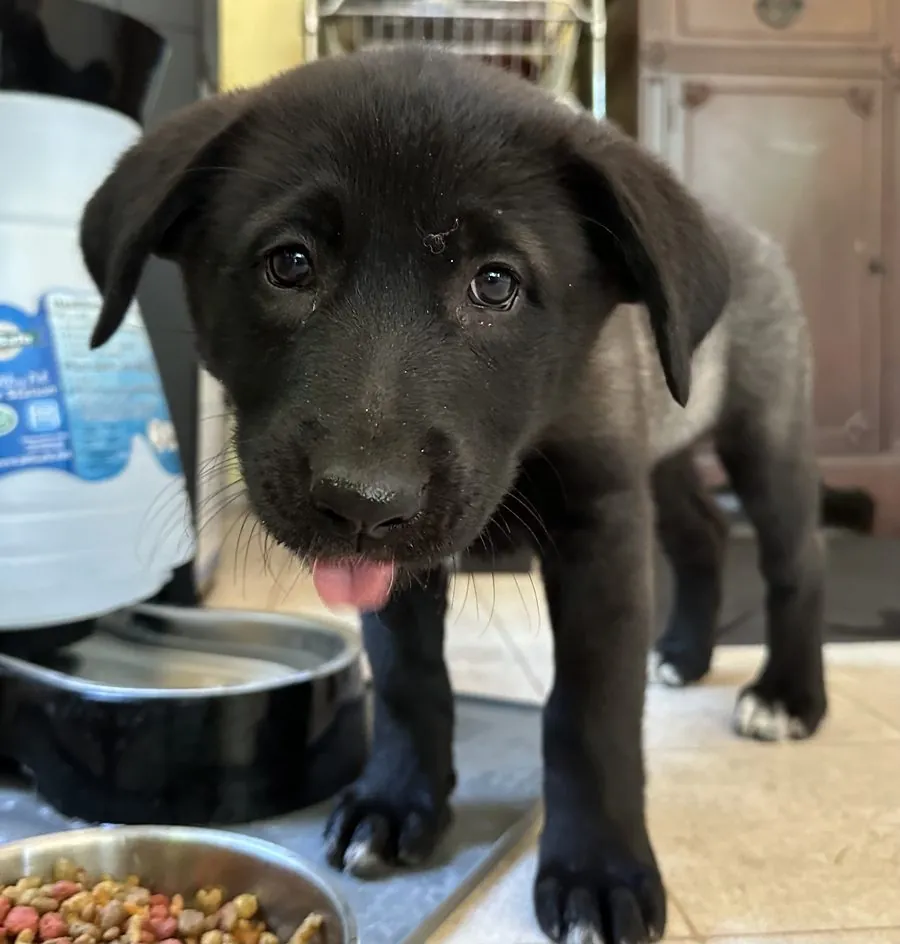
Ellie, Radar, and Izzy wander through Embracing the Local because they wandered through the year that became the book. Ellie came with Michael and me when Twain Harte was still somewhere we visited. Radar arrived as the Chamber began taking up more of our lives. Izzy came home with us after Michael met her at a Chamber dog parade, because apparently even our dog-acquisition strategy had become Chamber business.
They became a kind of accidental measure of the year: the walks I missed, the mornings the laptop won, the ordinary life happening around all the Very Important Things I thought needed my attention.
So you’ll see them around here.
Also, they’re more photogenic than I am.
About Glen
Glen Cantrell
Glen is the president of the Twain Harte Area Chamber of Commerce, serving a string of small communities along California’s Highway 108 corridor.
In his considerably more sensible professional life, he works in organizational strategy and technology. Embracing the Local is his first book.