No stars. No rankings. This isn’t a review page. Each entry gives you your bearings, then answers the question jacket copy can’t: why is this book on our shelf?
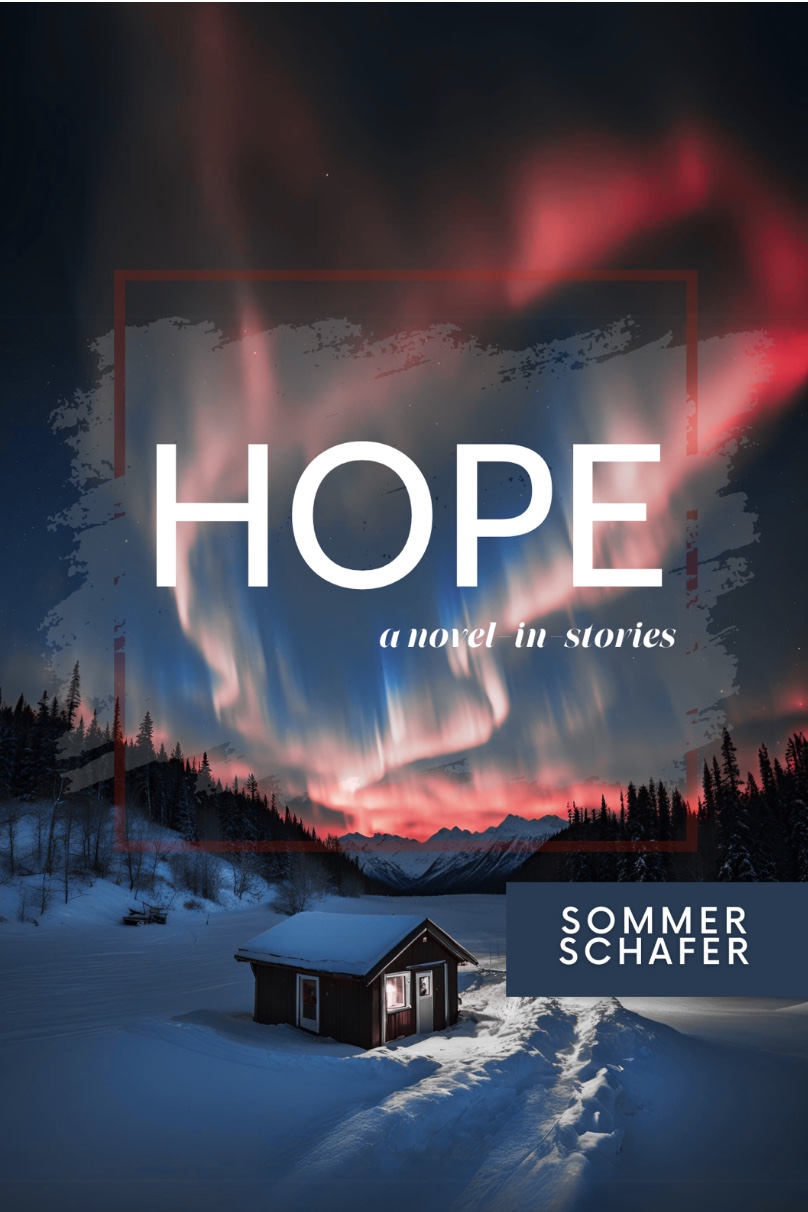
- Author
- Sommer Schafer
- Press
- Unsolicited Press
Market description
A linked-story collection set in an isolated Alaskan island community whose residents pursue competing ideas of freedom, meaning, and utopia while confronting the past the community has inherited and the future different people imagine for it.
Why it’s on our shelf
Beautiful places attract stories about what they ought to be. Then people have to live there. Hope interests us because it sits in the gap between landscape and community, between the place people imagine and the place residents inherit from one another. Belonging does not mean agreement, and loving a place does not settle what should happen to it next.
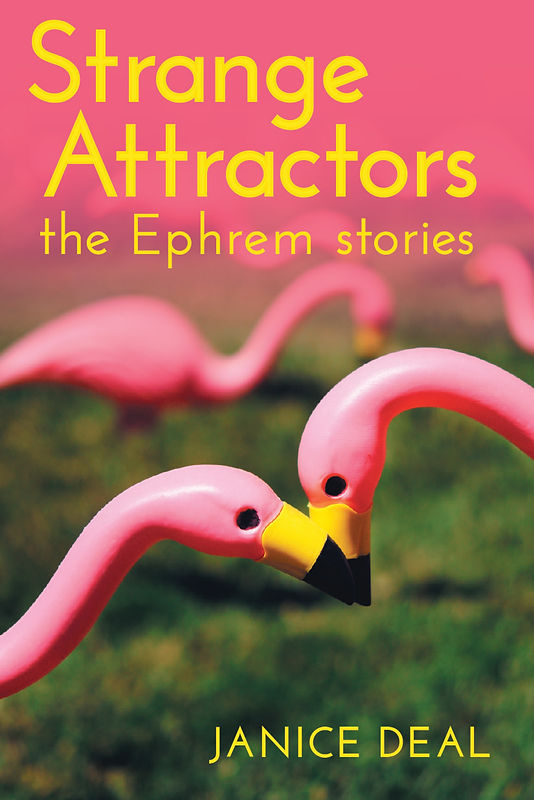
- Author
- Janice Deal
- Press
- New Door Books
Market description
A linked collection set in fictional Ephrem, Illinois, where ordinary people navigate loneliness, trauma, illness, economic uncertainty, affection, folly, and small acts of kindness. Across the stories, the town itself accumulates history and consequence.
Why it’s on our shelf
A town is more than scenery. It is accumulated memory, reputation, obligation, injury, affection, and the stories people tell about one another long after everyone involved would prefer they stop. Ephrem interests us because it becomes legible one resident at a time, which is often how real communities reveal themselves too.
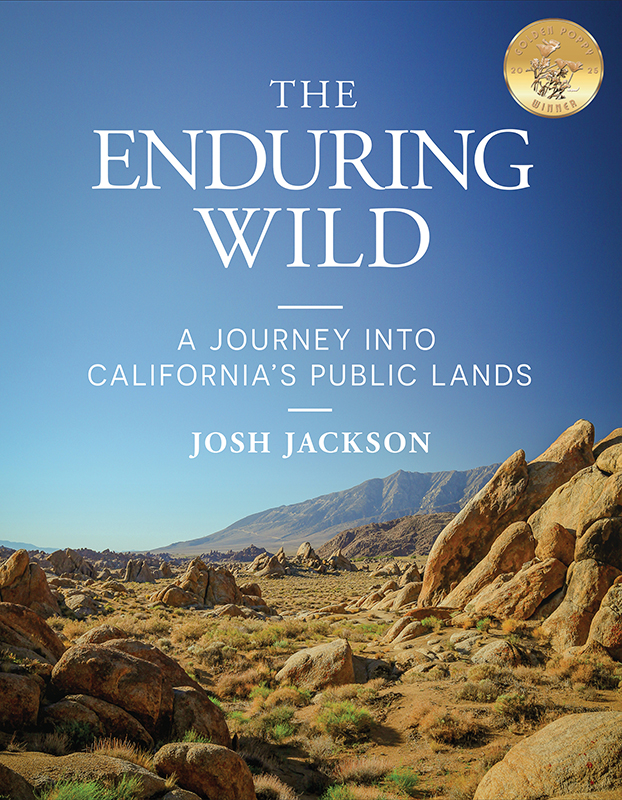
- Author
- Josh Jackson
- Press
- Heyday
Market description
A journey through California’s often overlooked public lands, exploring their histories, Indigenous connections, environmental pressures, grassroots defenders, and the unusual fact that millions of acres of these landscapes belong collectively to the public.
Why it’s on our shelf
The ordinary thing here is public land: acreage on a map, a government abbreviation, a place many people drive past without knowing they own a tiny piece of it. Jackson asks what changes when common inheritance stops being background and we begin paying attention to who tends it, who uses it, who threatens it, and what obligation comes with belonging to something collectively.
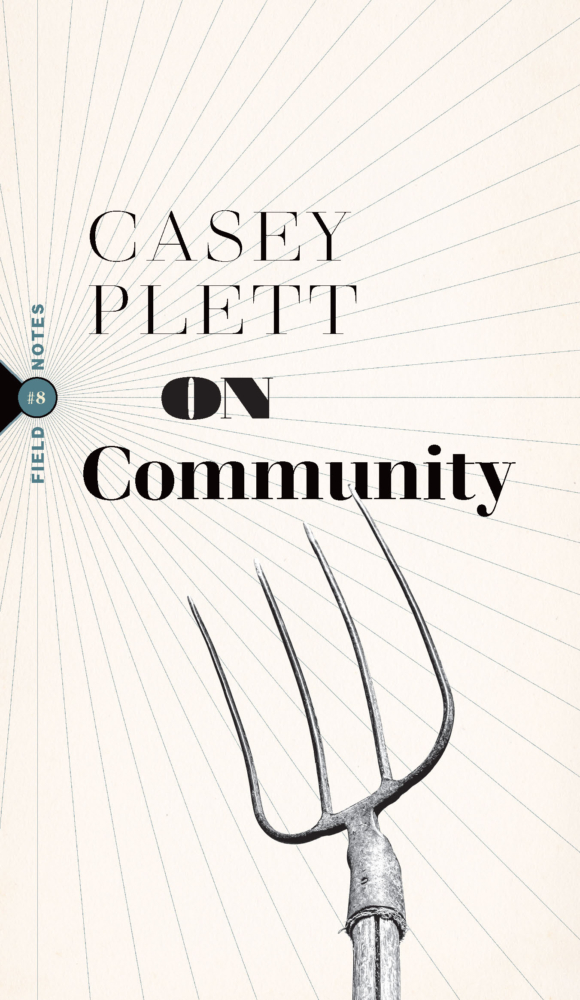
- Author
- Casey Plett
- Press
- Biblioasis
Market description
An episodic personal essay about what community means and what it costs, moving through transgender literature, Mennonite history, chosen family, place, belief, and belonging to examine both the promise and the limits of the communities people build.
Why it’s on our shelf
We use the word community around here often enough that someone should probably be checking our work. Plett starts with the comforting assumption that people need community and worries at the harder questions underneath it: who gets included, what binds people together, what communities ask in return, and what happens when the thing meant to hold people becomes restrictive or exclusionary.
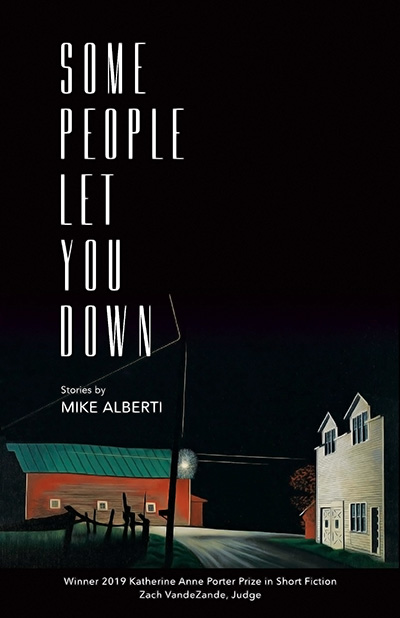
- Author
- Mike Alberti
- Press
- University of North Texas Press
Market description
Nine stories about small-town American life after the economic machinery that once sustained those places has weakened or disappeared: former mill towns, agricultural communities transformed by industrial farming, and neglected places where misfortune has become part of ordinary life.
Why it’s on our shelf
What happens to a place after the thing that justified its existence stops working? Alberti’s towns are not preserved in amber and they are not waiting for somebody to arrive with a five-point revitalization plan. People are simply still there, living inside the consequences. We are interested in what persists after institutions, industries, and assumptions fail, especially the human relationships that refuse to disappear on schedule.
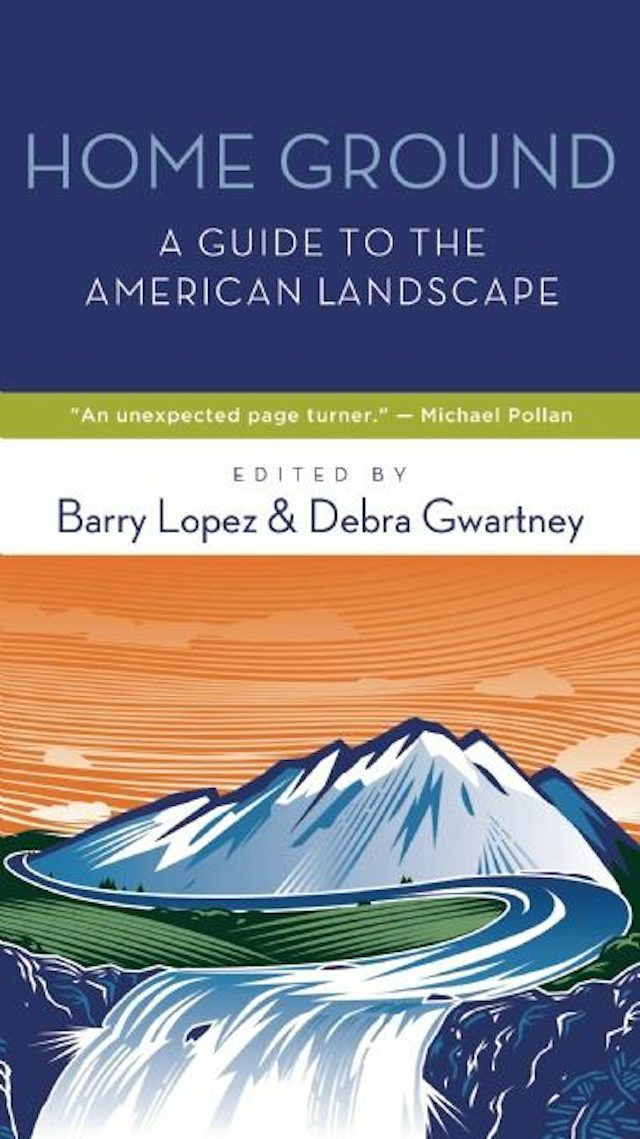
- Editors
- Barry Lopez and Debra Gwartney
- Press
- Trinity University Press
Market description
Forty-five writers define more than 850 terms for the American landscape, from arroyo to windbreak, in short essays that mix geography, history, and personal observation into a dictionary of the ground under our feet.
Why it’s on our shelf
We have a word up here for people from down the hill, and we spent a whole book trying to find out what it meant. This is a book for anyone who suspects that the names we give places and the people in them are doing more work than a dictionary admits. It reads like the country explaining itself one word at a time.
- Author
- Wendell Berry
- Press
- Counterpoint
Market description
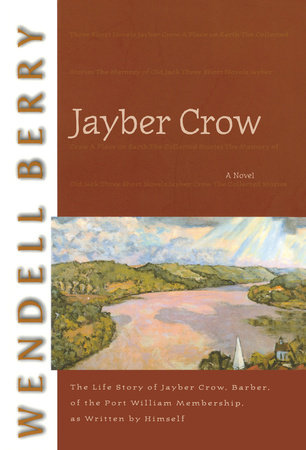
The life of Port William’s barber, orphaned young and returned after years away, who spends decades becoming part of the town’s memory in a meditation on membership, love, and what a person owes the place that takes him back in.
Why it’s on our shelf
Jayber isn’t simply a newcomer to Port William; he returns with roots there and still has to find his place again. He earns his place by cutting its hair and burying its dead, and even then the book is careful about what earning gets you. Berry calls it “the membership,” which is the best word we know for the thing between belonging and being local. We would press this into the hands of every newcomer who thinks the question has an answer.
- Author
- Robert Wuthnow
- Press
- Princeton University Press
Market description
Drawing on hundreds of interviews with residents of small towns across the country, a sociologist examines how people in these communities understand belonging, civic obligation, decline, and the choice to stay.
Why it’s on our shelf
Nobody we’ve read has spent more time asking small-town people what they think holds their towns together, and the answers are less about nostalgia than about work: who shows up, who is owed, and what it costs to be known by everyone. If you’ve ever wondered whether your Chamber’s problems are only your Chamber’s, Wuthnow’s interviews will feel like eavesdropping.
- Author
- Ben Logan
- Press
- University of Wisconsin Press
Market description
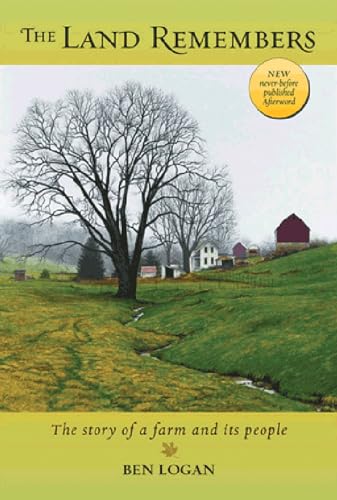
A memoir of growing up on a Wisconsin hill farm in the 1930s, organized by season, in which the land, the weather, the animals, and the family’s labor are inseparable from one another.
Why it’s on our shelf
This is the book we’d hand to anyone who thinks memory can be handed down like a deed. Logan knows the farm the way only the boy who lived on it could, and the reader can learn everything about it without ever being able to remember it. We’re interested in the difference. He was, too.
- Author
- Phil Christman
- Press
- Belt Publishing
Market description
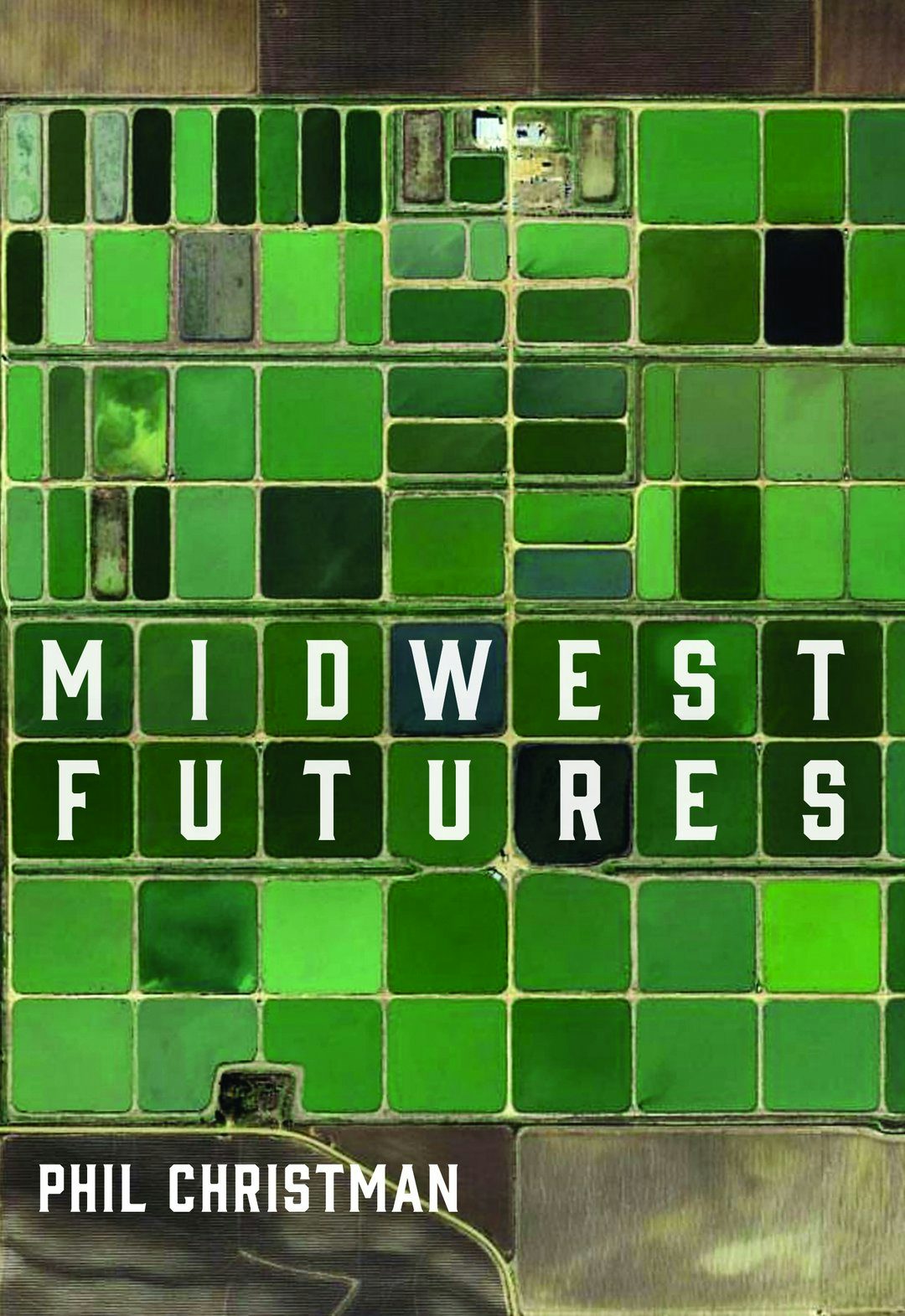
A short book of essays on the Midwest as an idea: how the region got imagined as the nation’s normal, what that assumption did to the people living there, and what the place might become once it stops being everyone’s default.
Why it’s on our shelf
We were raised in a small Kansas town by people who never once thought of themselves as a region. Christman writes about what it means to live somewhere that other people treat as background, and Belt publishes almost nothing but books like this, which is why it’s the press we’d point a small-town writer toward first.
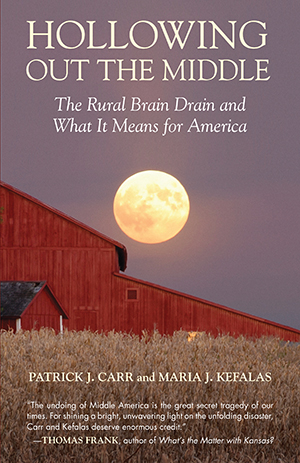
- Authors
- Patrick J. Carr and Maria J. Kefalas
- Press
- Beacon Press
Market description
Two sociologists spend a year in a small Iowa town tracing who leaves, who stays, who returns, and how the town itself sorts its young people into those categories long before they decide.
Why it’s on our shelf
A town can love its children and still train the most promising ones to leave. Carr and Kefalas watched it happen and named the machinery. We keep this one close because it explains the empty storefronts on the square better than any story about big-box stores does, and because it’s honest about the returners and the stayers, who turn out to be the people carrying the place.
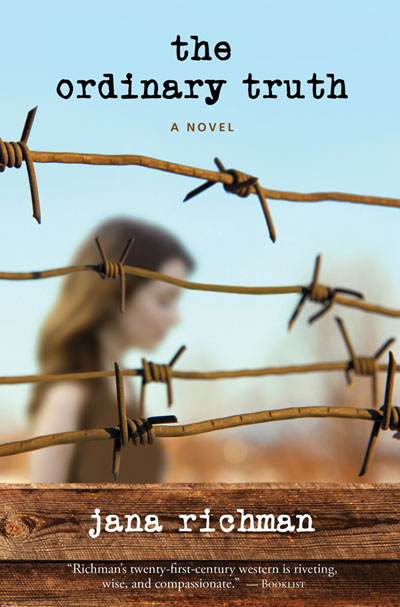
- Author
- Jana Richman
- Press
- Torrey House Press
Market description
Three generations of women on a Nevada ranch confront old family secrets while a proposed pipeline threatens to move the valley’s groundwater south to Las Vegas, binding private inheritance to the larger fight over who gets to claim the West’s scarce water.
Why it’s on our shelf
Rural places are usually described by the people who want something from them. Richman writes from inside a family that is the thing being wanted, and she refuses to make them saints. Torrey House is a small Utah press that publishes the West as a lived place rather than a view, and this is the book we’d start with.
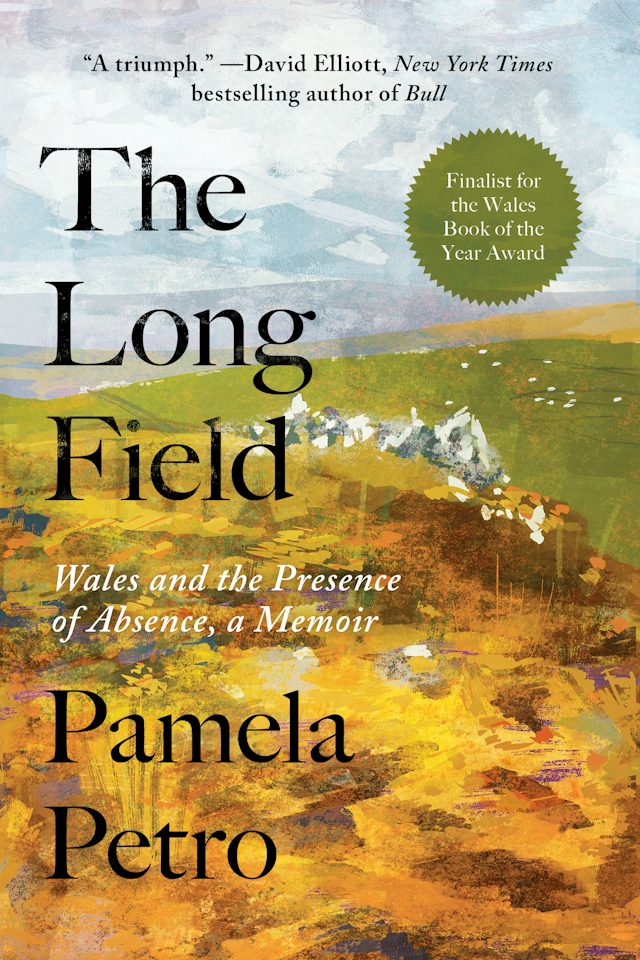
- Author
- Pamela Petro
- Press
- Arcade
Market description
An American writer’s forty-year relationship with Wales, built around hiraeth, the Welsh word for a longing for a home that may never have existed, and the question of whether an outsider can belong to a place and its language.
Why it’s on our shelf
Petro is a flatlander of a different kind: an American who loves Wales more than some Welsh people do and who is honest about what that love can and cannot claim. The book is organized around a single untranslatable word, which is a method we recognize, and it treats belonging as a relationship you tend rather than a status you reach.